|
Guidelines at Diagnosis | About Clinical Trials
|
|
|
evidence-based support and information |
|
|
|
|
|
|
|
||||||||||||||||||||||||||||||||||||||||||||||||||||||||||||||||||||||||||||||||||||||||||||||||||||||||||||||||||||||||||||||||||||||||||||||||||||||||||||||||||||||||||||||||||||||||||||||||||||||||||||||||||||||||||||||||||||||||||||||||||||||||||||||||||||||||||||||||||||||||||||||||||||||||||||||||
CLASSIFYING lymphomas:The categories appear to correspond to biological entities that behave distinctly.Gives the clinician important guidance for treating the lymphomaHelps assess prognosis.Helps pathologist to recognize a lymphoma.Helps discover important biological principles that underlie their appearance and behavior.SOURCE: -
|
CLINICAL TRIALSAll T-cell Types:
By Subtype:Anaplastic Large Cell type:
|
|||||||||||||||||||||||||||||||||||||||||||||||||||||||||||||||||||||||||||||||||||||||||||||||||||||||||||||||||||||||||||||||||||||||||||||||||||||||||||||||||||||||||||||||||||||||||||||||||||||||||||||||||||||||||||||||||||||||||||||||||||||||||||||||||||||||||||||||||||||||||||||||||||||||||||||||||
.gif) |
Angioimmunoblastic untreated | relapsed | with stem cell transplant |
|
Cutaneous T-cell lymphoma untreated | relapsed |
|
NK Cell |
|
PTCL (Peripheral T-cell Lymphoma) |
|
Non-Hodgkins Lymphomas Clinical Practice Guidelines in Oncology – v.1.2006 NCCN.org PDF |
|
Antibodies for T-Cell NHL |
|
T-cell lymphomas UMDNJ Hematopathology |
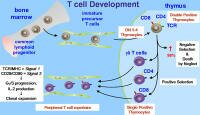
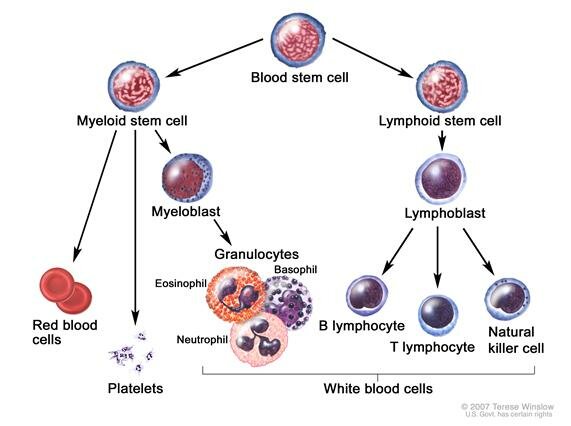
About normal t-cells and NK cells (cells of origin)
Normal T-cells
GSU.edu | Maturation - Virginia.edu |
and Cellular Immunity - Merck ManualNormal NK cells Users.rcn.com/jkimball.ma.ultranet
|
New concept:
|
|
Belinostat in Relapsed or Refractory Peripheral T-Cell
|
|
2015 Blood Journal |
|
|
Cheah: Novel Treatments for T-Cell Lymphoma | 2015 Educational Book | Meeting Library 2015 http://bit.ly/1Q6ulJK
|
|
About demon.co.uk |
|
Encouraging report: Arsenic trioxide, interferon alpha, and zidovudine in newly diagnosed adult T-cell leukemia/lymphoma (ATL). http://bit.ly/3t5gvg
|
|
Bay 11-7082 inhibits transcription factor NF-kappaB and induces apoptosis of HTLV-I-infected T-cell lines and primary adult T-cell leukemia cells. Blood. 2002 Sep 1;100(5):1828-34. PMID: 12176906 PubMed |
We have moved this item here
"LGL exhibits an unexplained, chronic elevation in large granular lymphocytes (LGLs) in the peripheral blood.
It is also known by the following terms: Proliferation of large granular lymphocytes (LGLs), LGL leukemia, Tγ-lymphoproliferative disorder, T-cell chronic lymphocytic leukemia" 1
LGL has an indolent clinical course mortality is uncommon (rarely fatal).2
"Some patients with mild cytopenias (low blood counts) and/or lymphocytosis remain asymptomatic for a long period. Spontaneous remissions have been reported in some studies. In symptomatic cases (majority) treatment should be initiated. Being a rare malignancy, treatment recommendations are based on data coming from case reports and retrospective studies. Recurrent neutropenia and infections are the main concern in treatment of this disease." 3
LGL is "a clonal proliferation of cytotoxic T cells, which causes neutropenia, anemia, and/or thrombocytopenia. This condition is often associated with autoimmune disorders, especially rheumatoid arthritis, and other lymphoproliferative disorders". 4
 TOPIC SEARCH:
ASCO | Cancer.gov | Clinical Trials | Medscape | PubMed
"Angiocentric lymphoma is a type of T-cell lymphoma that is associated with Epstein Barr virus (EBV) infection. It includes cancers that previously were labeled "lethal midline granulomas," "nasal T-cell lymphoma," and "lymphatoid granulomatosis."
Angiocentric lymphoma typically is characterized by a destructive nasal or midline facial tumor that is accompanied by invasive infiltrate, a substance that penetrates the spaces between tissues.
The patient's palate (roof of mouth) may be destroyed by the tumor, and he or she may have prominent swelling of the eyes and face.
Other sites of involvement outside the lymph nodes (extranodal) are the skin, lungs, and central nervous system. This tumor often is very resistant to therapy and has a poor prognosis. It is much more common in Asians than in people of European descent." source: oncologyChannel
|
Combined chemotherapy and radiation versus radiation alone in the management of localized angiocentric lymphoma of the head and neck. Radiother Oncol 2001; 61: 261-9. Abstract | Related articles |
"While not always malignant, AILD commonly progresses to an AILD-like T cell lymphoma."
source: hsc.virginia.edu
Diagnosis | Prognosis | Review | Treatment
Angioimmunoblastic T-cell lymphoma (AILD) is considered a variety of T-cell lymphoma, which usually occurs in adults.
Symptoms include generalized lymphadenopathy (enlarged lymph nodes) and increased antibody proteins in the blood (hypergammaglobinemia). Other symptoms are fever, skin rash and weight loss.
|
About emedicine.com |
|
High-Dose Therapy (HDT) and Autologous Stem-Cell Transplantation (ASCT) in Angioimmunoblastic Lymphoma: Complete Remission at Transplantation Is the Major Determinant of Outcome J Clin Oncol. 2007 Dec 10; PMID: 18071187
|
|
Clinical, biological and pathological features in 157 patients with angioimmunoblastic T-cell lymphoma treated within the Groupe d'Etude des Lymphomes de l'Adulte (GELA) trials. Blood. 2008 Feb 21; PMID: 18292286 |
|
Angioimmunoblastic lymphadenopathy with dysproteinemia:
|
|
Successful treatment of angioimmunoblastic lymphadenopathy with dysproteinemia with cyclosporin A. Cancer. 1992 May 15;69(10):2567-70. PMID: 1568181 PubMed |
|
Angioimmunoblastic lymphadenopathy (AILD) may respond to thalidomide treatment: two case reports. Leuk Lymphoma. 2002 Jan;43(1):133-7. PMID: 11908717 PubMed |
|
Angio-immunoblastic T cell lymphoma (AILD-TL) rich in large B cells and associated with Epstein-Barr virus infection. A different subtype of AILD-TL? Leukemia. 2002 Oct;16(10):2134-41. PMID: 12357368 PubMed |
|
Angioimmunoblastic type | with stem cell transplant |
||||
|
TIPS:
|
TOPIC SEARCH: PubMed
Lymphoblastic lymphoma is a very rare form of non-Hodgkin lymphoma in adults, accounting for less than 3 in 100 cases overall. However, it accounts for more than 1 in 3 of all cases occurring in children and teenagers. This lymphoma more commonly affects males than females.
It's a high grade (aggressive) lymphoma which arise from precursors of B or T-cells. In 4 out of 5 cases the T-lymphocytes are affected. The vast majority (90%) are of immature T-cell lineage.
|
Previously Untreated |
||||
|
Relapsed |
||||
|
Relapsed, but ineligible for SCT |
||||
|
TIPS:
|
|
The thymus gland, or lymph nodes deep within the chest (the mediastinal lymph nodes) is often affected. |
|
Painless swelling in the neck, armpit or groin, caused by enlarged lymph nodes. |
|
Loss of appetite and tiredness. |
|
About Lymphoblastic lymphoma E-medicine |
|
Treatment best practice NCCN.org PDF
|
|
Nine-Year Survival of Lymphoblastic Lymphoma Patients (full text report)
|
|
Adult lymphoblastic lymphoma: a retrospective analysis of 92 patients under 61 years included in the LNH87/93 trials
|
|
Outcome with the hyper-CVAD regimens in lymphoblastic lymphoma
|
|
High-dose therapy and autologous stem-cell transplantation vs. conventional-dose consolidation/maintenance therapy as post-remission therapy for adult patients with lymphoblastic lymphoma ncbi.nlm.nih.gov |
|
Nelarabine induces complete remissions in adults with relapsed or refractory T-lineage acute lymphoblastic leukemia or lymphoblastic lymphoma: cancer and leukemia group B study 19801. Blood. 2007 Mar 7;
|
|
FDA Advisory Committee Recommends Accelerated Approval of GlaxoSmithKline's Arranon (nelarabine) Injection docguide.comOrphan Drug Under Review for Children and Adults with T-cell Acute Lymphoblastic Leukemia (T-ALL) and T-cell Lymphoblastic Lymphoma (T-LBL) |
|
Favorable outcome for children and adolescents with T-cell lymphoblastic lymphoma with an intensive ALL-type therapy without local radiotherapy.
|
"Blastic" generally refers to immature-looking cells that resemble cells known as a blasts.
|
TIP:
|
Cutaneous T cell lymphoma (CTCL) is a lymphoma of T cell (a type of white blood cell that is responsible for immune function) origin that affects the skin.
See CTCL
"This aggressive [intestinal] lymphoma almost always arises in the setting of celiac disease. Rarely the lymphoma may arise in extraintestinal sites. The most common location is the jejunum and presents as single or multiple tumors."
For uncommon lymphomas, it's important to consult experts at centers that specialize in this research and work cooperatively to do trials.
See Centers specializing in T-cell lymphoma research
|
Blood 2014: Alison J. Moskowitz, Matthew A. Lunning and Steven M. Horwitz
|
|
Malignant lymphomas in coeliac disease: evidence of increased risks for lymphoma types other than enteropathy-type T cell lymphoma. Gut 2005;54(1):54-59. Full Text |
|
Blood 2011: Enteropathy-associated T-cell lymphoma: clinical and histological findings from the International Peripheral T-Cell Lymphoma Project” http://bit.ly/UYpZdm |
|
Blood Journal | Autologous stem cell transplantation for enteropathy-associated T-cell lymphoma: a retrospective study by the EBMT http://bit.ly/1iiUBR9
|
|
Combination chemotherapy followed by autologous stem cell transplant for enteropathy-associated T cell lymphoma. Br J Haematol. 2006 Nov 20; PMID: 17116129
|
|
International T-cell lymphoma project. International Peripheral T-cell Lymphoma Project: International peripheral T-cell and NK/T-cell lymphoma study: pathology findings and clinical outcomes. J Clin Oncol 2008;26(25):4124-4130. Abstract |
|
Enteropathy-type intestinal T-cell lymphoma: clinical features and treatment of 31 patients in a single center. http://jco.ascopubs.org |
|
Find studies for this type of lymphoma on ClinicalTrials.gov - All studies |
|
About Hepatosplenic gamma-delta T-cell lymphoma www.thedoctorsdoctor.com |
||
|
Long-Term Survival With Allogeneic Stem Cell Transplant and Donor Lymphocyte Infusion Following Salvage Therapy with Anti-CD52 Monoclonal Antibody (Campath) in a Patient with alpha/beta Hepatosplenic T-Cell Non-Hodgkin's Lymphoma. Leuk Lymphoma. 2004;45(8):1673-1675. PMID: 15370223 |
||
|
TIP:
|
Go to Peripheral T-cell
|
About thedoctorsdoctor.com | archderm - PDF |
||
|
TIP:
|
|
Subcutaneous panniculitis-like T-cell lymphoma: an elusive case presenting as lipomembranous panniculitis and a review of 72 cases in the literature.
|
|
Aggressive subcutaneous panniculitis-like T-cell lymphoma: complete remission with fludarabine, mitoxantrone and dexamethasone. Br J Dermatol. 2000 Aug;143(2):408-10.
|
|
Subcutaneous panniculitic T-cell lymphoma and cytophagic histiocytic panniculitis.
|
|
Subcutaneous T-cell lymphoma presenting as panniculitis in children: report of two cases. Pediatr Pathol. 1994 Jul-Aug;14(4):595-608. PMID: 7971579 PubMed |
|
Cutaneous T-cell lymphoproliferative disorders: approach for the surgical pathologist: recent advances and clarification of confused issues. Adv Anat Pathol. 2002 Mar;9(2):79-100. Review. PMID: 11917163 PubMed |
|
Multicenter study of pegylated liposomal doxorubicin in patients with cutaneous T-cell lymphoma. Cancer. 2003 Sep 1;98(5):993-1001. PMID: 12942567 |
|
A single-centre study of treatment outcomes and survival in 120 patients with peripheral T-cell non-Hodgkin's lymphoma. Ann Hematol. 2002 May;81(5):267-72. PMID: 12029536 PubMed |
|
T-cell non-Hodgkin's lymphoma in adults: clinicopathological characteristics, response to treatment and prognostic factors. Leuk Lymphoma. 2002 Apr;43(4):805-11. PMID: 12153168 PubMed |
|
The use of anti-T-cell receptor-Vbeta antibodies for the estimation of treatment success and phenotypic characterization of clonal T-cell populations in cutaneous T-cell lymphomas. Br J Haematol. 2002 Sep;118(4):1019-26. PMID: 12199780 PubMed |